Gorilla
Japanese Name
ごりら
gorira
Description
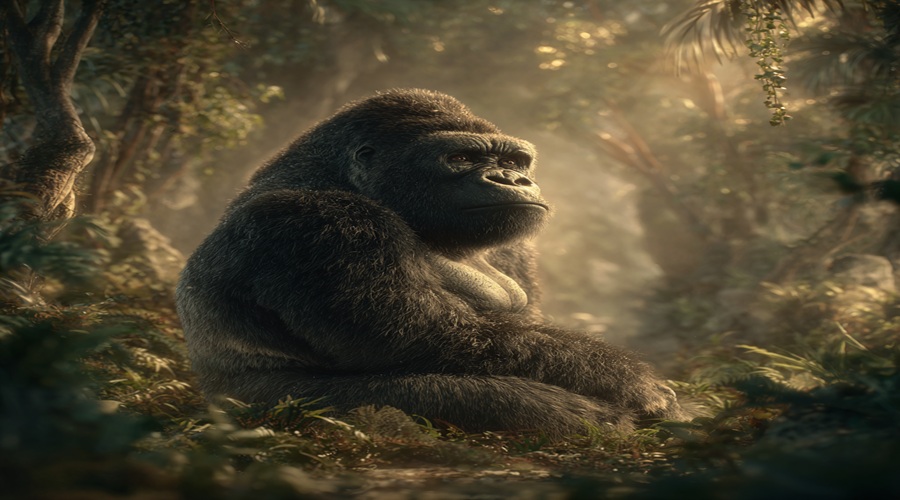
- The gorilla is a large, powerful primate native to the forests of central and western Africa. It is one of the closest relatives to humans, sharing about 98% of our DNA. Gorillas are part of the Hominidae family, which also includes chimpanzees, orangutans, and humans.
History
- Gorillas are large primates native to the forests of central Sub-Saharan Africa.
- They were first described scientifically in the 19th century, with naturalists like Thomas Savage and Paul Du Chaillu documenting their existence.
- Gorillas live in social groups called troops and are primarily herbivorous, feeding on leaves, stems, and fruit.
- Early Western knowledge of gorillas was limited, often mixed with myths and exaggerated accounts of their behavior.
- Conservation efforts began in the 20th century as habitat loss and hunting threatened gorilla populations.
- Today, gorillas are studied extensively in biology and conservation, and they are iconic symbols of wildlife preservation worldwide.