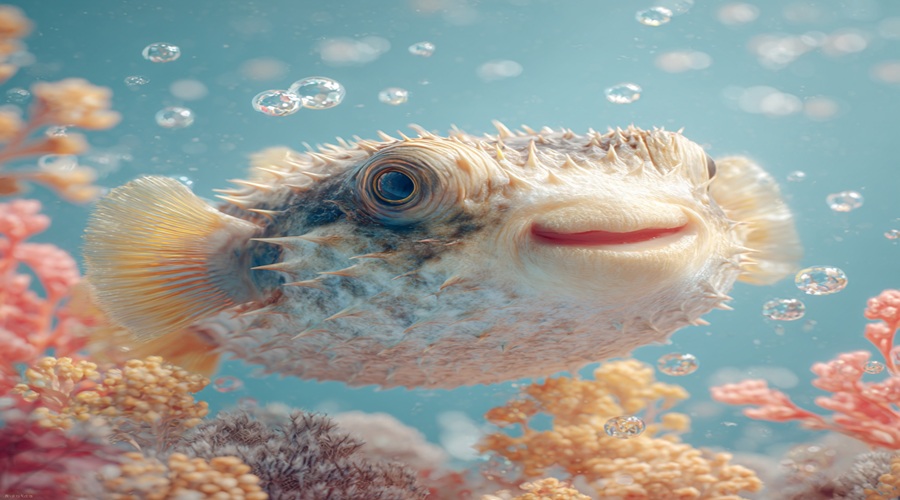
Pufferfish
Japanese Name
ふぐ
fugu
Description
- The fugu is a type of pufferfish, renowned in Japan for being a delicacy that can be extremely dangerous if not prepared correctly. The fish contains a potent neurotoxin called tetrodotoxin, which is far more toxic than cyanide. This toxin is found in various parts of the fish, including the liver, ovaries, and intestines.
History
- Pufferfish are marine fish known for their ability to inflate and their potent toxin, tetrodotoxin.
- In Japan, fugu has been consumed for centuries, with records dating back to the Nara period (8th century).
- Due to its toxicity, fugu preparation became highly regulated, and chefs required special training and licenses.
- During the Edo period (17th–19th century), fugu was a luxury delicacy enjoyed by the elite, often in winter.
- Modern regulations and culinary techniques ensure safety, allowing fugu to be served in specialized restaurants.
- Today, fugu remains a symbol of Japanese cuisine, combining culinary skill, tradition, and the thrill of its preparation.