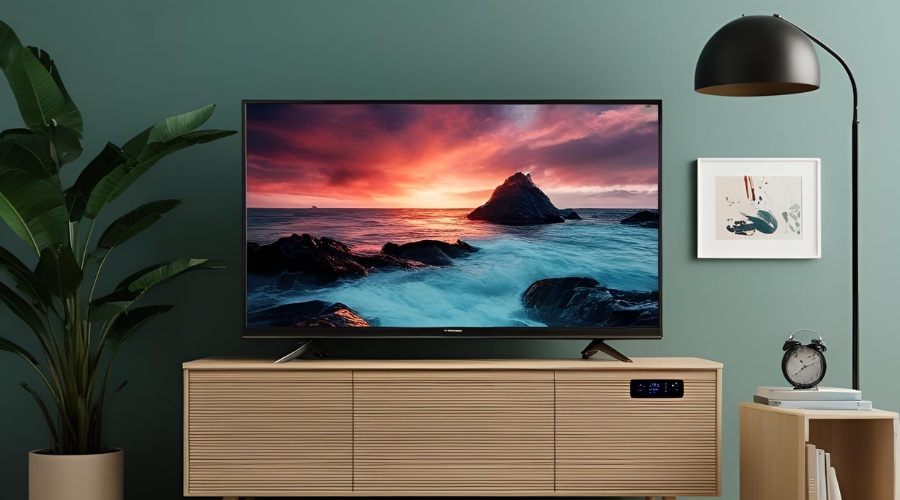
Television
Japanese Name
てれび
terebi
Description
- A television is an electronic device used to display moving images and sound.
- It typically features a flat screen such as LCD, LED, or OLED.
- Televisions receive broadcasts via antennas, cable, or satellite.
- They can also stream digital content from the internet.
- Modern TVs offer high-resolution formats like 4K and 8K.
- Smart TVs include apps, voice control, and wireless connectivity.
- They are used for entertainment, news, education, and gaming.
- The television remains a central device in many households.
History
- The concept of television began in the early 20th century with mechanical systems.
- Electronic television technology was developed in the 1920s and 1930s.
- Regular public broadcasts started in several countries in the late 1930s.
- After World War II, TV ownership expanded rapidly worldwide.
- Color television became common during the 1960s and 1970s.
- Cable and satellite TV brought hundreds of channels to viewers.
- The 2000s saw a shift to digital broadcasting and flat-panel screens.
- Today, streaming services and smart features define modern television use.
Learn more Japanese words?
Play our free typing game and master Hiragana & Vocabulary in a Zen atmosphere. 🍵
🎮 Play Game