Handkerchief
Japanese Name
はんかち
hankachi
Description
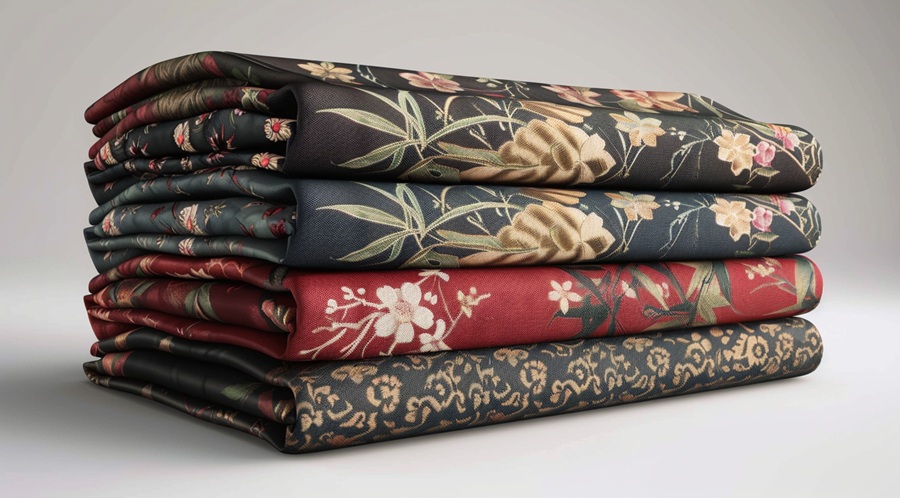
- A handkerchief is a small piece of cloth, typically square-shaped, that is used for a variety of purposes such as wiping the face, hands, or nose. It is a personal accessory commonly carried in a pocket, bag, or purse. In Japan, hankachi is a term used to describe handkerchiefs, and they are widely used both for practical purposes and as a fashion item.
History
- The handkerchief is a small piece of cloth used for personal hygiene, such as wiping the face or hands.
- Its use dates back to ancient civilizations, including Egypt, Greece, and Rome, where people used cloth or scented materials for cleanliness.
- In the Middle Ages, handkerchiefs became more decorative, often embroidered and used by the wealthy as a fashion accessory.
- During the Renaissance, they were carried by both men and women as symbols of elegance and social status.
- By the 18th and 19th centuries, handkerchiefs became widely available and practical for everyday use.
- Today, handkerchiefs are used globally for hygiene, fashion, and sometimes ceremonial purposes.
Learn more Japanese words?
Play our free typing game and master Hiragana & Vocabulary in a Zen atmosphere. 🍵
🎮 Play Game