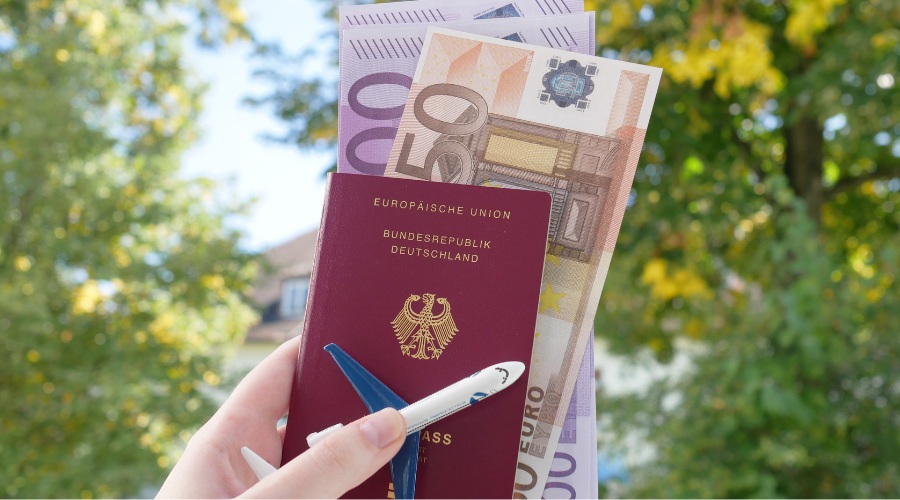
Passport
Japanese Name
ぱすぽーと
pasupootoo
Description
- A passport is an official travel document issued by a government.
- It certifies a person’s identity and nationality.
- Passports contain a photo, personal information, and a unique number.
- They are required for international travel and border entry.
- Modern passports include security features such as chips and holograms.
- Many passports are biometric, storing encrypted digital data.
- They help ensure safe and regulated movement between countries.
- A passport also allows the holder to receive assistance abroad.
History
- Early forms of travel documents existed in ancient Persia and China.
- In medieval Europe, letters of safe conduct served similar purposes.
- The word “passport” became common in the 15th century.
- Modern standardized passports emerged in the late 19th century.
- After World War I, international regulations were created for passports.
- The 20th century introduced photos and machine-readable formats.
- Biometric passports became widespread in the 2000s for security reasons.
- Today, passports are essential documents for global travel and identity verification.
Learn more Japanese words?
Play our free typing game and master Hiragana & Vocabulary in a Zen atmosphere. 🍵
🎮 Play Game