Swing
Japanese Name
ぶらんこ
buranko
Description
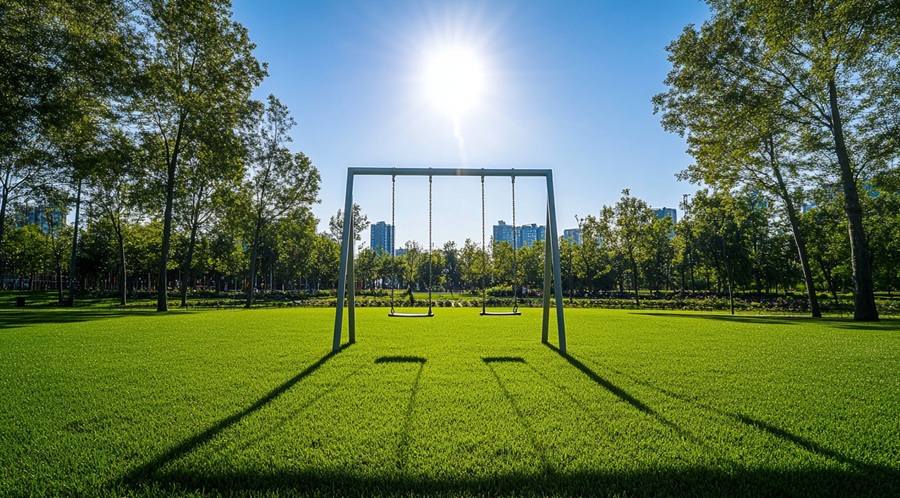
- A swing is a popular playground equipment consisting of a seat suspended by ropes or chains that allows people to swing back and forth.
- Swings are common in parks, schools, and playgrounds throughout Japan, enjoyed by children and adults alike.
- They provide fun, physical activity, and a chance to experience a sense of freedom and motion.
- Japanese swings vary from simple wooden seats to modern designs with safety features like harnesses.
- Many swings are part of larger playground sets, promoting social play and outdoor activity.
- They are often found in both urban and rural areas, contributing to community spaces.
History
- The concept of the swing dates back thousands of years and appears in many cultures worldwide.
- In Japan, traditional swings called "buranko" have been part of local festivals and childhood play for generations.
- Public playground swings became more widespread during the modernization of parks in the early 20th century.
- Over time, swings evolved with improved safety standards and materials such as metal and plastic.
- Today, swings remain a beloved feature of playgrounds, encouraging physical exercise and joy.
- They also symbolize childhood nostalgia and community bonding in Japanese culture.
Learn more Japanese words?
Play our free typing game and master Hiragana & Vocabulary in a Zen atmosphere. 🍵
🎮 Play Game