Train
Japanese Name
でんしゃ
densha
Description
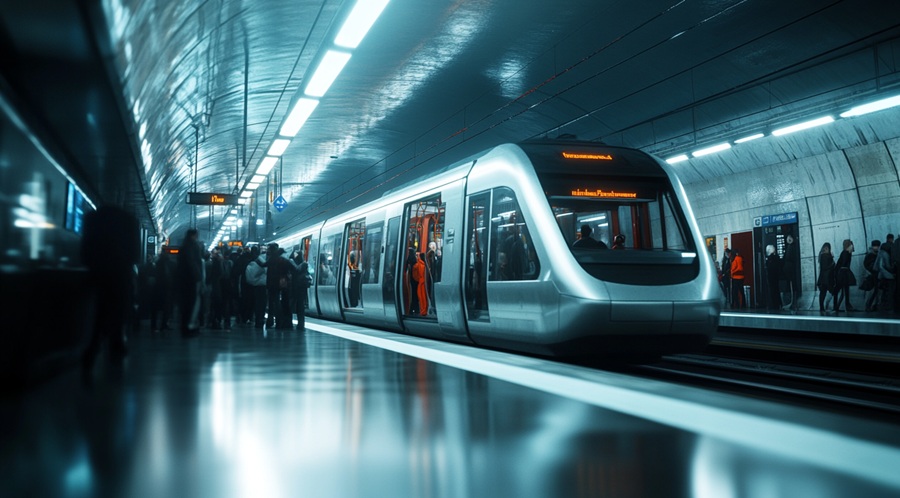
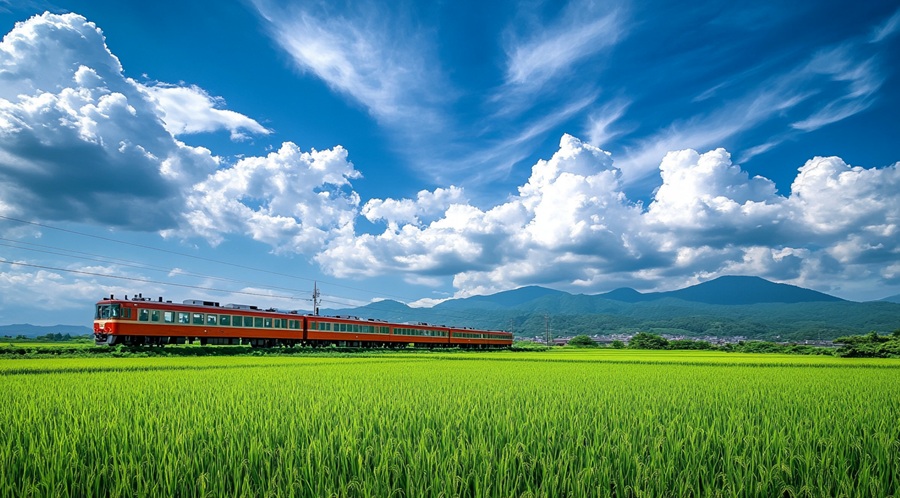
- A train is a form of rail transportation consisting of connected vehicles that run on tracks to transport passengers or cargo.
- In Japan, trains are a primary mode of transportation, known for their speed, punctuality, and efficiency.
- The country has an extensive rail network, including local commuter trains, limited express services, and the famous Shinkansen bullet trains.
- Japanese trains are clean, safe, and equipped with modern amenities such as air conditioning and Wi-Fi on some lines.
- They connect urban centers, suburban areas, and rural regions, supporting daily commuting and tourism.
- Trains are an integral part of Japanese culture and infrastructure.
History
- Japan’s first railway opened in 1872, connecting Tokyo and Yokohama, marking the start of modern rail transport.
- The introduction of railways rapidly transformed Japan’s economy and society during the Meiji era.
- In the 20th century, Japan developed high-speed rail technology, culminating in the launch of the Shinkansen in 1964.
- The Shinkansen revolutionized travel by drastically reducing travel times between major cities.
- Over the years, Japan has continued to innovate with advanced train designs and safety systems.
- Today, trains remain a symbol of Japan’s technological progress and commitment to efficient public transport.
Learn more Japanese words?
Play our free typing game and master Hiragana & Vocabulary in a Zen atmosphere. 🍵
🎮 Play Game