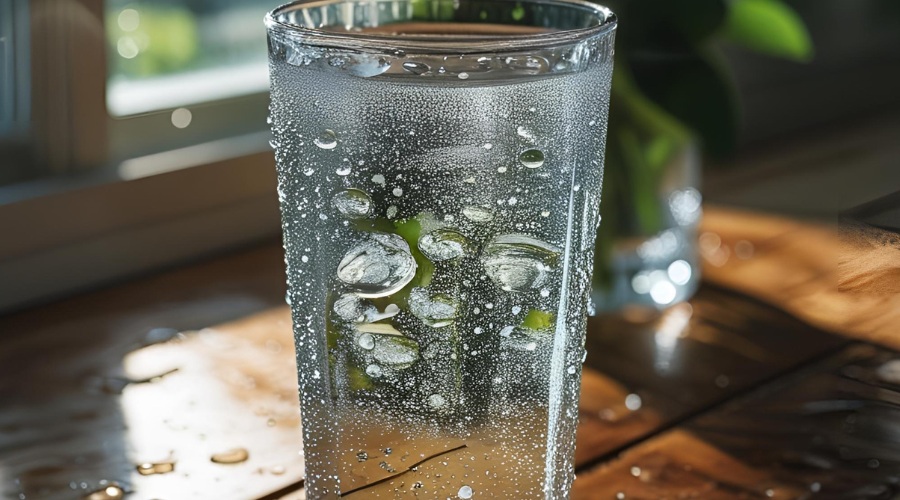
Water
Japanese Name
みず
mizu
Description
- Water is a transparent, odorless, and tasteless liquid essential for life.
- Its chemical formula is H₂O, consisting of hydrogen and oxygen atoms.
- Water exists in three states: liquid, solid (ice), and gas (vapor).
- It covers about 70% of the Earth’s surface, mainly in oceans.
- Water is vital for drinking, agriculture, industry, and ecosystems.
- It has unique properties such as high heat capacity and surface tension.
- Freshwater resources include rivers, lakes, and underground aquifers.
- Water sustains all living organisms and shapes the environment.
History
- Water has been central to human civilization since ancient times.
- Early settlements were built near rivers like the Nile, Tigris, and Yangtze.
- Ancient cultures developed wells, irrigation systems, and aqueducts.
- Greek philosophers studied water as one of the fundamental elements.
- Modern science identified its molecular structure in the 18th century.
- Industrialization increased the need for water management and sanitation.
- The 20th century saw advances in purification and plumbing systems.
- Today, water conservation and access remain key global challenges.
Learn more Japanese words?
Play our free typing game and master Hiragana & Vocabulary in a Zen atmosphere. 🍵
🎮 Play Game