Mountain Climbing
Japanese Name
とざん
tozan
Description
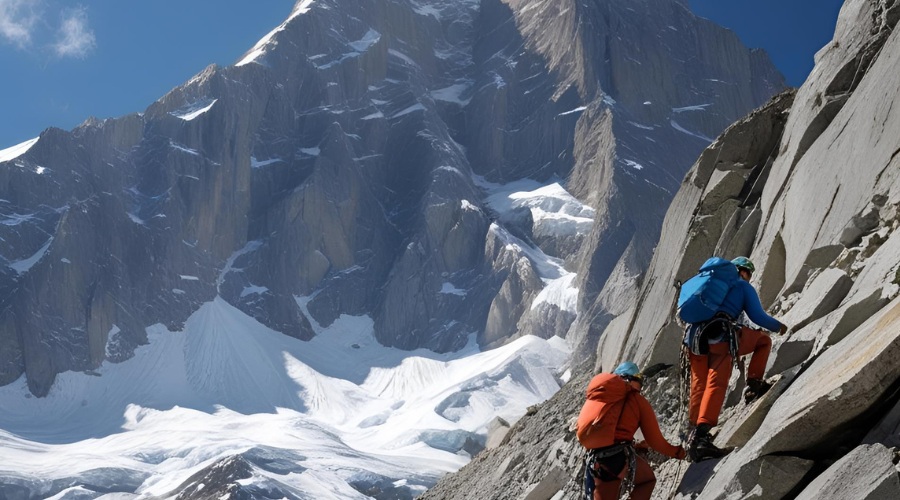
- Mountain climbing is the activity of ascending natural mountains or high terrain.
- It involves physical endurance, navigation skills, and proper equipment.
- Climbers may follow trails, scramble over rocks, or ascend steep slopes.
- Essential gear often includes boots, backpacks, and weather-appropriate clothing.
- More technical climbs require ropes, harnesses, and protective gear.
- Climbing offers views of nature, fresh air, and a sense of accomplishment.
- People climb mountains for sport, adventure, exercise, or personal challenge.
- Safety planning is crucial due to weather, terrain, and altitude risks.
History
- Mountain climbing began as practical travel for hunters, shepherds, and explorers.
- Modern mountaineering emerged in 18th-century Europe with scientific expeditions.
- The ascent of Mont Blanc in 1786 is often considered the birth of alpinism.
- The 19th century saw the “Golden Age of Mountaineering” in the Alps.
- Explorers then expanded to the Himalayas, Andes, and other high ranges.
- In 1953, Everest was first climbed by Edmund Hillary and Tenzing Norgay.
- Improved gear and knowledge made climbing safer and more accessible.
- Today, mountaineering blends sport, exploration, and environmental awareness.
Learn more Japanese words?
Play our free typing game and master Hiragana & Vocabulary in a Zen atmosphere. 🍵
🎮 Play Game